Castings
Castings that meet all the specifications
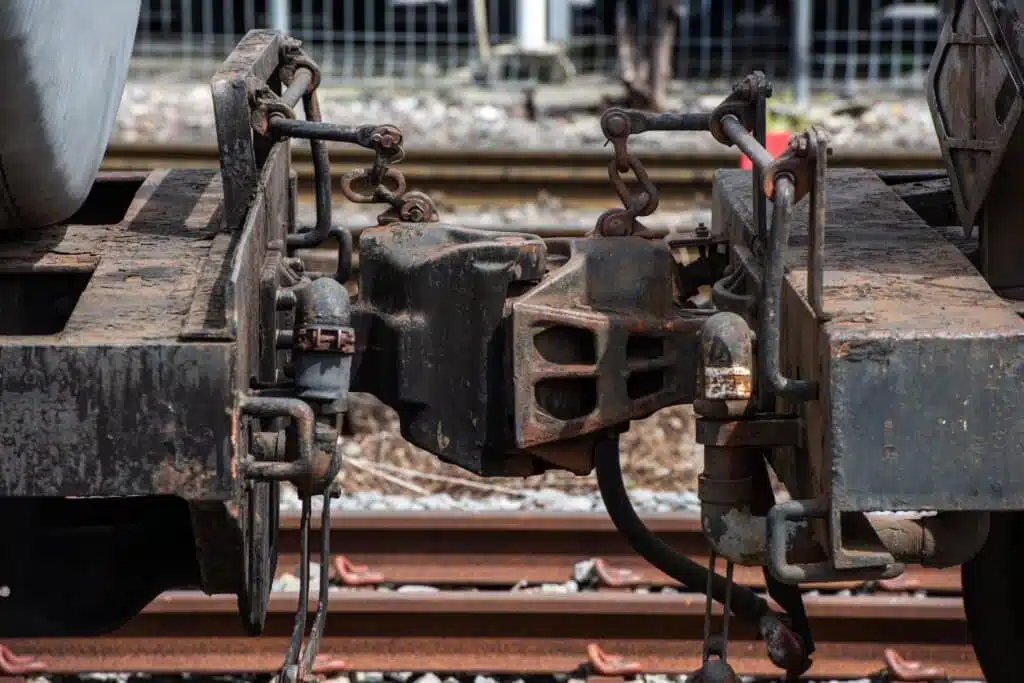
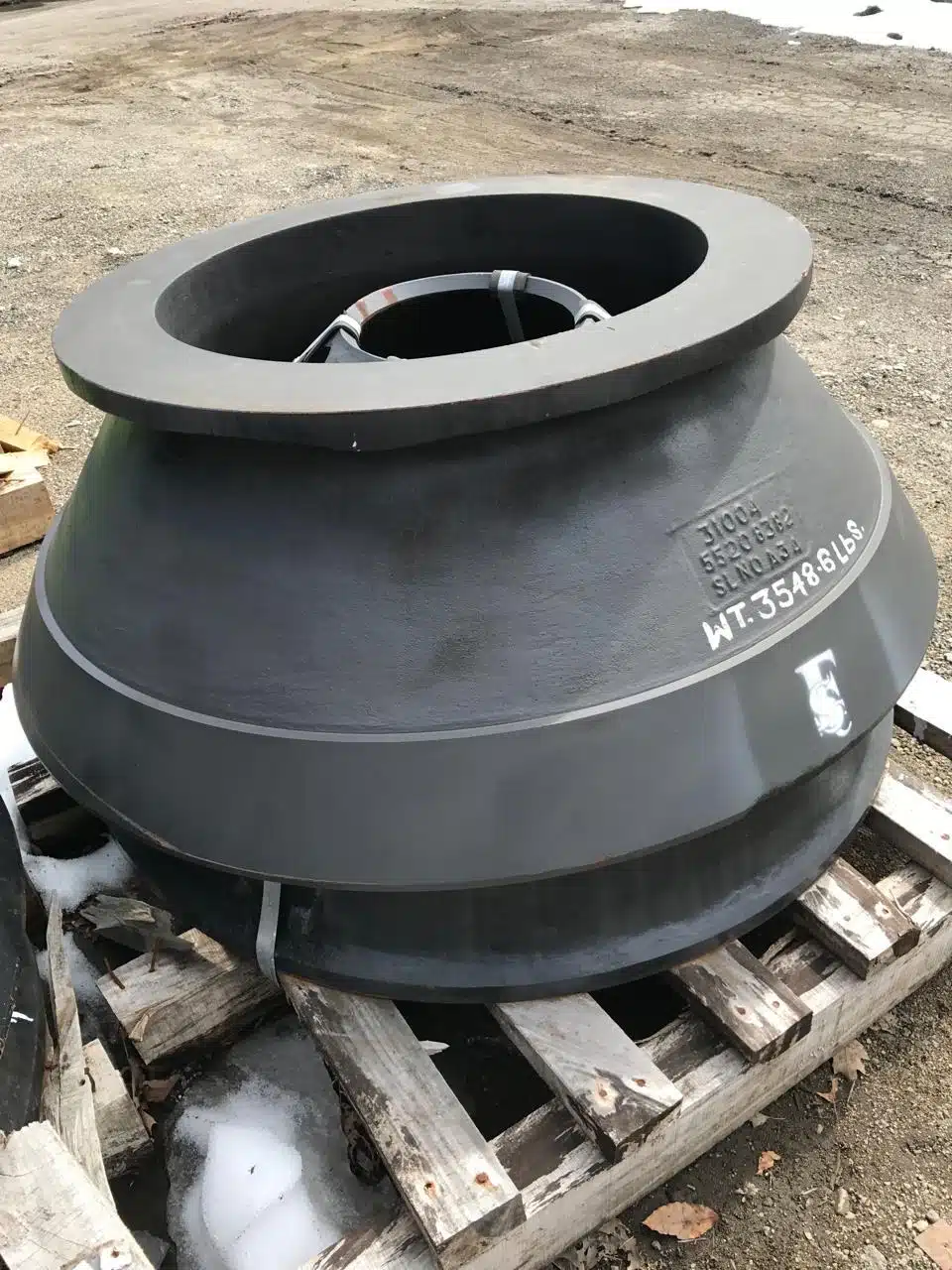
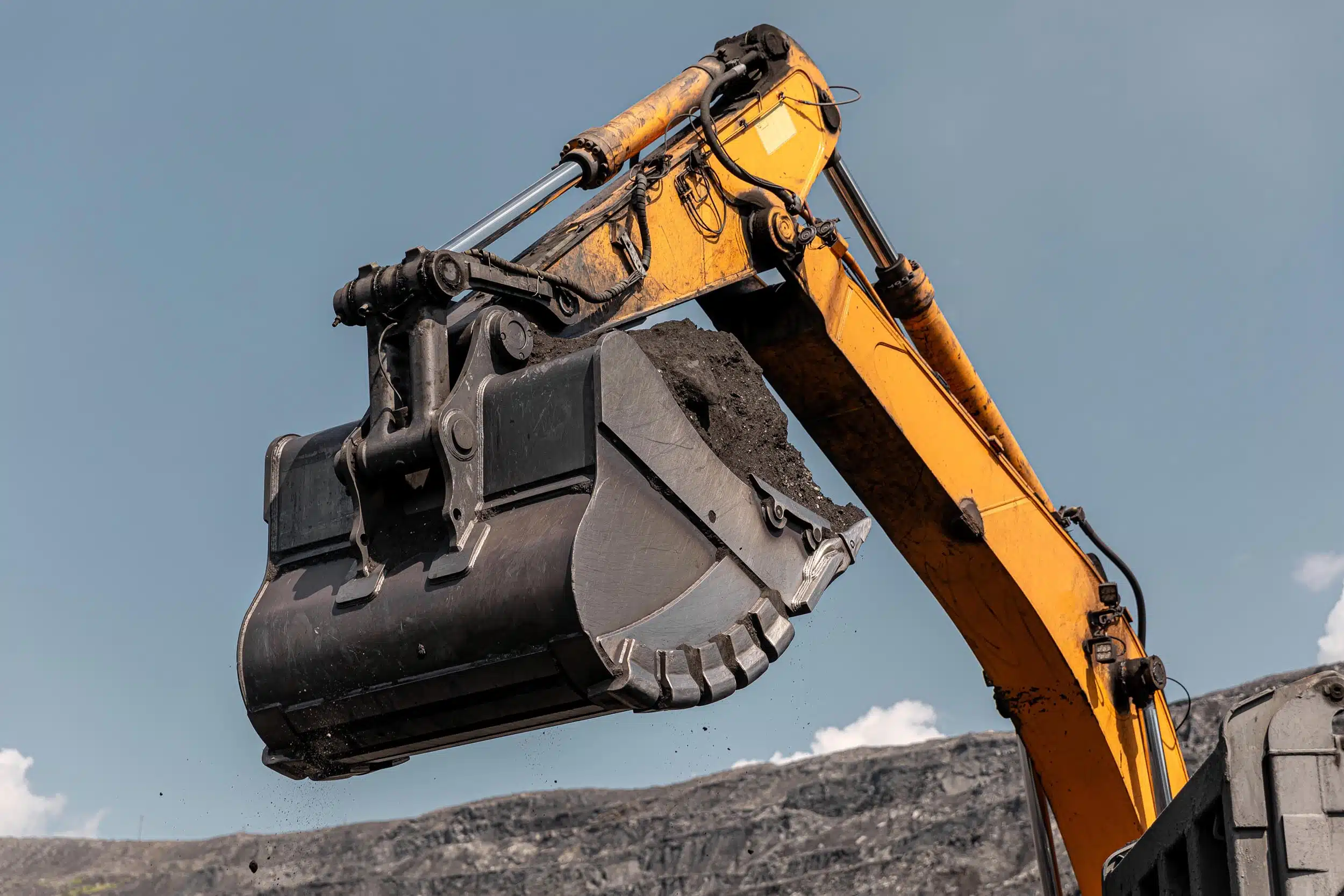
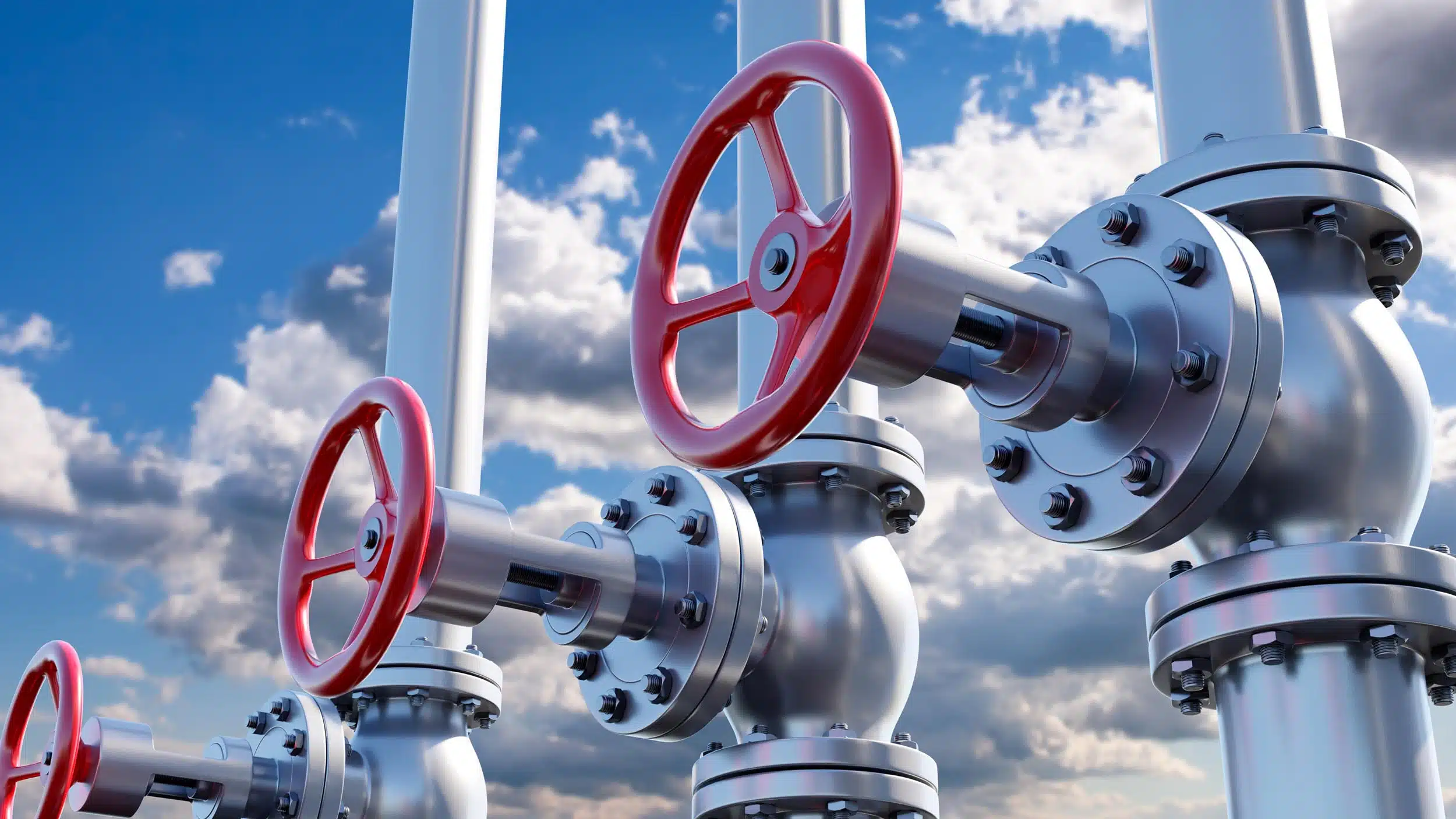
You can also rely on our extensive experience in the oil and gas industry, recycling/demolition, earthmoving or transport, among others.
EMEQ levert precisie en robuuste gietdelen op maat, die lang meegaan. Ook onder de zwaarste omstandigheden
Casting processes
-
Sand casting
-
Sand casting
Sand casting is ideal for complex parts in small to medium production runs. It offers maximum design freedom, and parts can be cast in virtually any metal.
Why sand casting?
- Very flexible
- Suitable for low quantities and medium series
- Large, heavy parts possible up to a maximum unit weight of 20 tons
-
Die casting
-
Die casting
Injection molding is the ideal solution for high-volume production, with extremely high precision and fine surfaces. Ideal for smaller and complex parts for the automotive industry, among others.
Why injection molding?
- High degree of precision
- For larger series; low unit price
- Fast production times
- For complex, small shapes
-
Centrifugal casting
-
Centrifugal casting
Centrifugal casting is a casting method that produces high density and exceptionally strong finished products. It’s ideal for symmetrical, hollow parts, such as bushings, rings, or pipes. This process is often used for parts that are difficult to forge due to their chemical composition.
Why centrifugal casting?
- Very high material compactness
- Excellent mechanical properties
- Narrow tolerances, so less
post-processing - Long life and high wear resistance
- Single pieces to medium series
-
Precision casting
-
Precision casting
This casting method – also known as the lost wax method – excels in precision and freedom of form. It’s ideal for complex components requiring high demands on detailing, dimensions, and finish.
Why precision casting?
- Exceptionally accurate and detailed
- Complex shapes possible, including thin wall thicknesses and sharp corners
- Smooth surface structure without much post-processing
- Minimal material waste
- Suitable for medium to large series
Sand casting
Sand casting is ideal for complex parts in small to medium production runs. It offers maximum design freedom, and parts can be cast in virtually any metal.
Why sand casting?
- Very flexible
- Suitable for low quantities and medium series
- Large, heavy parts possible up to a maximum unit weight of 20 tons
Die casting
Injection molding is the ideal solution for high-volume production, with extremely high precision and fine surfaces. Ideal for smaller and complex parts for the automotive industry, among others.
Why injection molding?
- High degree of precision
- For larger series; low unit price
- Fast production times
- For complex, small shapes
Centrifugal casting
Centrifugal casting is a casting method that produces high density and exceptionally strong finished products. It’s ideal for symmetrical, hollow parts, such as bushings, rings, or pipes. This process is often used for parts that are difficult to forge due to their chemical composition.
Why centrifugal casting?
- Very high material compactness
- Excellent mechanical properties
- Narrow tolerances, so less
post-processing - Long life and high wear resistance
- Single pieces to medium series
Precision casting
This casting method – also known as the lost wax method – excels in precision and freedom of form. It’s ideal for complex components requiring high demands on detailing, dimensions, and finish.
Why precision casting?
- Exceptionally accurate and detailed
- Complex shapes possible, including thin wall thicknesses and sharp corners
- Smooth surface structure without much post-processing
- Minimal material waste
- Suitable for medium to large series
Looking for custom castings?
We’ll carefully assess your request, taking every aspect of the process into account. You’ll receive accurate and professional information about the product, the planning and possible prerequisites, so we can provide the best solution in a pleasant collaborative atmosphere.
EMEQ, your professional and reliable partner for industrial castings.